
All purchases support the ministry of Spring Harvest
Order in stock items by 2pm for same day dispatch

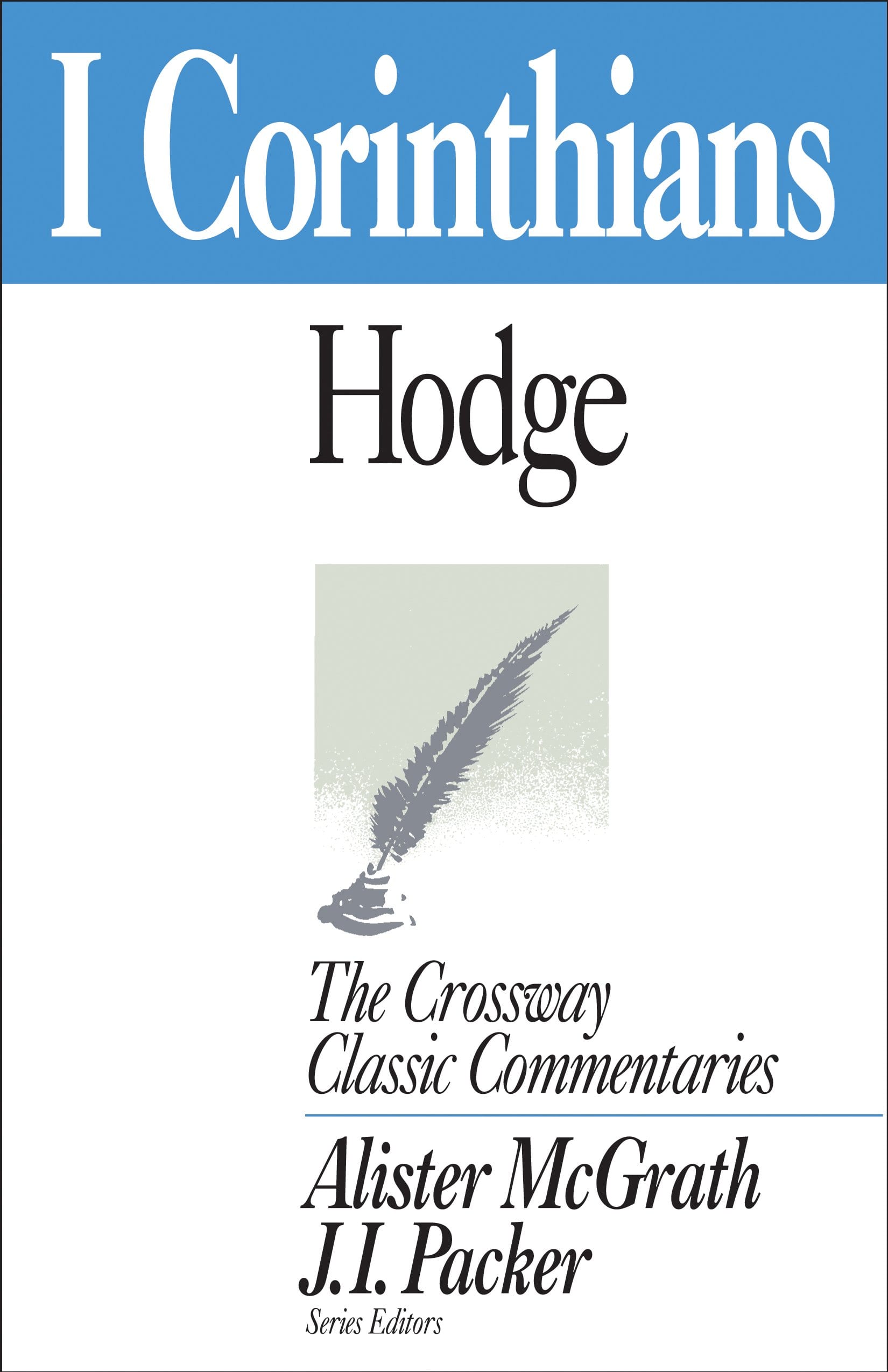
The Gospel of Matthew stands out as a favorite biblical text among patristic commentators. The patristic commentary tradition on Matthew begins with Origen’s pioneering twenty-five-volume commentary on the First Gospel in the mid-third century. In the Latin-speaking West, where commentaries did not appear until about a century later, the first commentary on Matthew was written by Hilary of Poitiers in the mid-fourth century.
From that point the First Gospel became one of the texts most frequently commented on in patristic exegesis. Outstanding examples are Jerome’s four-volume commentary and the valuable but anonymous and incomplete Opus imperfectum in Matthaeum. Then there are the Greek catena fragments derived from commentaries by Theodore of Heraclea, Apollinaris of Laodicea, Theodore of Mopsuestia and Cyril of Alexandria.
The ancient homilies also provide ample comment, including John Chrysostom’s ninety homilies and Chromatius of Aquileia’s fifty-nine homilies on the Gospel of Matthew. In addition, there are various Sunday and feast-day homilies from towering figures such as Augustine and Gregory the Great, as well as other fathers.
This rich abundance of patristic comment, much of it presented here in English translation for the first time by editor Manlio Simonetti, provides a bountiful and varied feast of ancient interpretation of the First Gospel.
Buy Now
£17.99
Usually dispatched between 2 - 3 working days
Additional information
| Weight | 0.1 kg |
|---|---|
| Format | Paperback |
| Publisher | Crossway |
| Publication Date | 01/11/1995 |
The Gospel of Matthew stands out as a favorite biblical text among patristic commentators. The patristic commentary tradition on Matthew begins with Origen’s pioneering twenty-five-volume commentary on the First Gospel in the mid-third century. In the Latin-speaking West, where commentaries did not appear until about a century later, the first commentary on Matthew was written by Hilary of Poitiers in the mid-fourth century.
From that point the First Gospel became one of the texts most frequently commented on in patristic exegesis. Outstanding examples are Jerome’s four-volume commentary and the valuable but anonymous and incomplete Opus imperfectum in Matthaeum. Then there are the Greek catena fragments derived from commentaries by Theodore of Heraclea, Apollinaris of Laodicea, Theodore of Mopsuestia and Cyril of Alexandria.
The ancient homilies also provide ample comment, including John Chrysostom’s ninety homilies and Chromatius of Aquileia’s fifty-nine homilies on the Gospel of Matthew. In addition, there are various Sunday and feast-day homilies from towering figures such as Augustine and Gregory the Great, as well as other fathers.
This rich abundance of patristic comment, much of it presented here in English translation for the first time by editor Manlio Simonetti, provides a bountiful and varied feast of ancient interpretation of the First Gospel.
The Gospel of Matthew stands out as a favorite biblical text among patristic commentators. The patristic commentary tradition on Matthew begins with Origen’s pioneering twenty-five-volume commentary on the First Gospel in the mid-third century. In the Latin-speaking West, where commentaries did not appear until about a century later, the first commentary on Matthew was written by Hilary of Poitiers in the mid-fourth century.
From that point the First Gospel became one of the texts most frequently commented on in patristic exegesis. Outstanding examples are Jerome’s four-volume commentary and the valuable but anonymous and incomplete Opus imperfectum in Matthaeum. Then there are the Greek catena fragments derived from commentaries by Theodore of Heraclea, Apollinaris of Laodicea, Theodore of Mopsuestia and Cyril of Alexandria.
The ancient homilies also provide ample comment, including John Chrysostom’s ninety homilies and Chromatius of Aquileia’s fifty-nine homilies on the Gospel of Matthew. In addition, there are various Sunday and feast-day homilies from towering figures such as Augustine and Gregory the Great, as well as other fathers.
This rich abundance of patristic comment, much of it presented here in English translation for the first time by editor Manlio Simonetti, provides a bountiful and varied feast of ancient interpretation of the First Gospel.

Bestsellers
-
Sale!

How To Pray
Original price was: £14.99.£11.99Current price is: £11.99. -
Sale!

God on Mute (Revised)
Original price was: £12.99.£10.99Current price is: £10.99. -
Sale!

How To Hear God
Original price was: £14.99.£11.99Current price is: £11.99. -
Sale!

How to Pray: A Guide for Young Explorers
Original price was: £10.99.£8.99Current price is: £8.99. -

Dirty Glory
£12.99 -

Remaking the World
£21.99 -

Lydia
£10.99 -
Sale!

Brighter Days
Original price was: £12.99.£9.99Current price is: £9.99. -
Sale!

How to be (Un)Successful
Original price was: £12.99.£10.99Current price is: £10.99. -
Sale!

Into the Heart of Romans
Original price was: £19.99.£17.99Current price is: £17.99. -

Brian Doerksen Ultimate Collection (CD)
£13.03 -

Hymns for the Christian Life (CD)
£10.00
£17.99
Usually dispatched between 2 - 3 working days
The Gospel of Matthew stands out as a favorite biblical text among patristic commentators. The patristic commentary tradition on Matthew begins with Origen’s pioneering twenty-five-volume commentary on the First Gospel in the mid-third century. In the Latin-speaking West, where commentaries did not appear until about a century later, the first commentary on Matthew was written by Hilary of Poitiers in the mid-fourth century.
From that point the First Gospel became one of the texts most frequently commented on in patristic exegesis. Outstanding examples are Jerome’s four-volume commentary and the valuable but anonymous and incomplete Opus imperfectum in Matthaeum. Then there are the Greek catena fragments derived from commentaries by Theodore of Heraclea, Apollinaris of Laodicea, Theodore of Mopsuestia and Cyril of Alexandria.
The ancient homilies also provide ample comment, including John Chrysostom’s ninety homilies and Chromatius of Aquileia’s fifty-nine homilies on the Gospel of Matthew. In addition, there are various Sunday and feast-day homilies from towering figures such as Augustine and Gregory the Great, as well as other fathers.
This rich abundance of patristic comment, much of it presented here in English translation for the first time by editor Manlio Simonetti, provides a bountiful and varied feast of ancient interpretation of the First Gospel.
